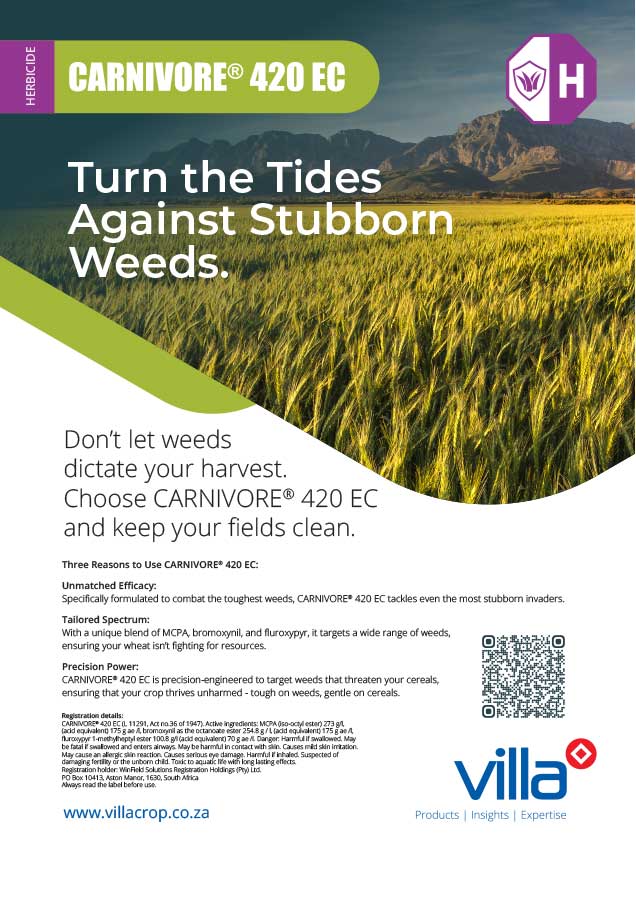
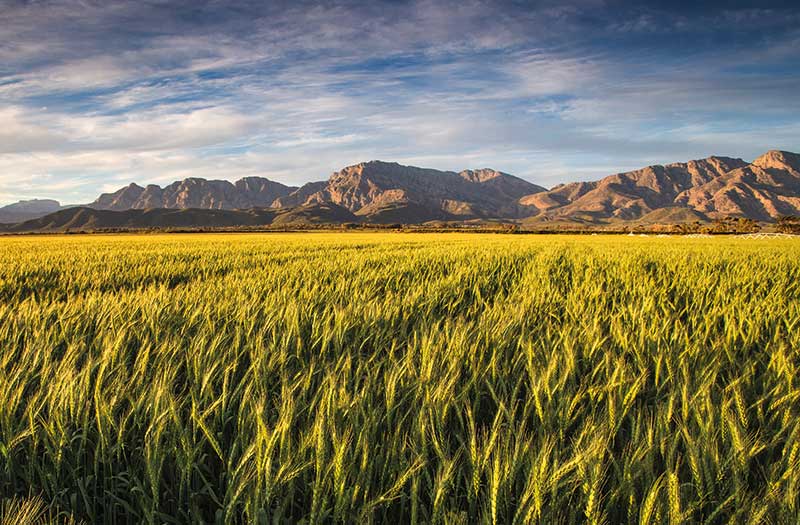
A three-in-one selective post-emergence herbicide for the control of perennial and annual broadleaf weeds in wheat and barley.

Cereal
  • CARNIVORE® 420 EC is a unique premix of three active ingredients namely MCPA (iso-octyl ester), bromoxynil, and fluroxypyr, from two HRAC groups.
  • MCPA and fluroxypr belong to group 4 while bromoxynil is a group 6 herbicide.
  • MCPA is a selective, systemic, hormone-type herbicide absorbed by leaves and roots, translocated acropetally and basipetally in the phloem and xylem, accumulating in the meristematic regions, causing uncontrolled growth.
  • Fluroxypyr is a selective, systemic herbicide absorbed primarily by foliage, translocated acropetally and basipetally in the phloem and xylem to other parts of the plants. It induces characteristic auxin-type responses such as leaf curling.
  • Bromoxynil is a selective, contact herbicide absorbed by foliage, with limited translocation. It is a photosynthetic inhibitor, causing the formation of reactive chemical species that oxidise and degrade lipids and proteins.
  • This three-in-one formulation with multiple modes of action makes the product highly effective against a wide range of weeds.
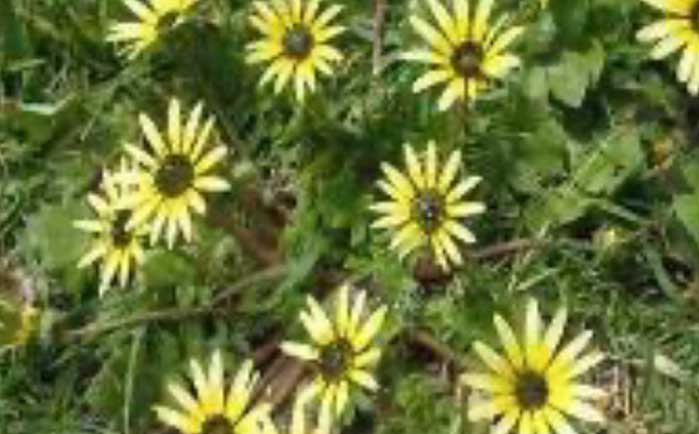
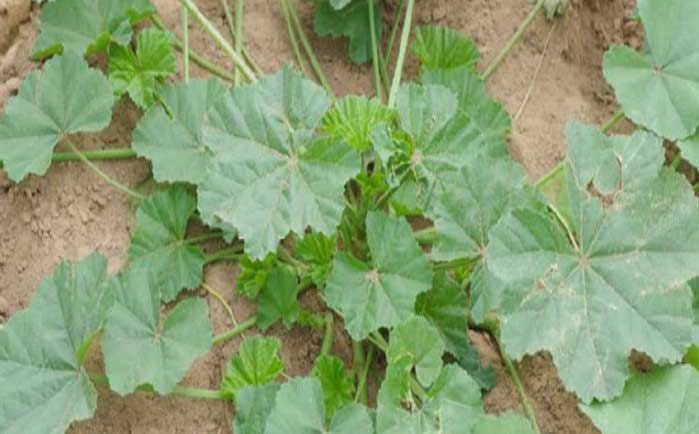
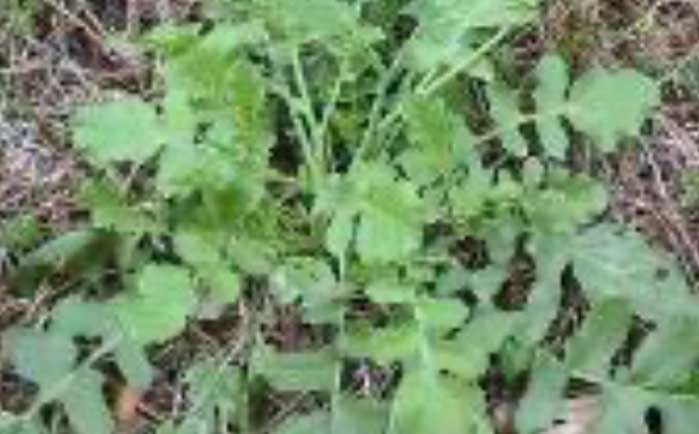
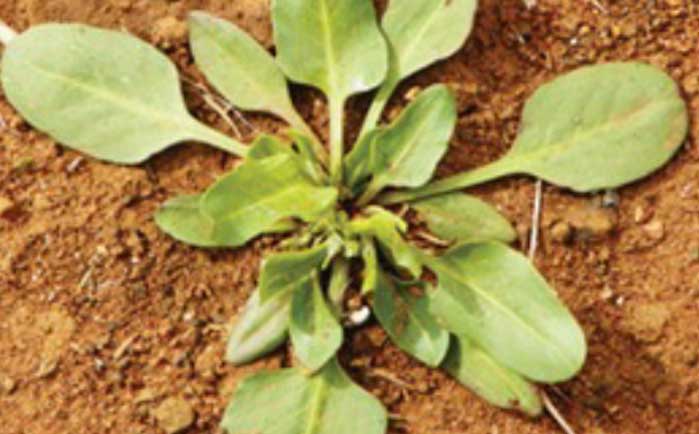
  • CARNIVORE® 420 EC is effective against certain tough-to control weeds like gousblom (Arctotheca calendula), Kaapse dubbeltjie (Emex australis), turknael (Erodium moschatum), ramenas (Raphanus raphanistrum), and hongerbos (Senecio consanguineous).
  • Due to its ability to target weeds through various pathways, CARNIVORE® 420 EC is an ideal tool for herbicide resistance management strategies.
  • Do not apply CARNIVORE® 420 EC aerially.
  • Do not apply more than 2.8 litres per hectare of this product per growing season.
  • CARNIVORE® 420 EC application to Wheat must be between growth stages 7 and 13 according to the list of growth stages issued by the ARC Small Grain Centre, Bethlehem.
  • Spray barley when the crop is in the 5- to 6-leaf stage.
  • You will not control weeds that have not germinated at the time of application.
  • Weeds shaded by other weeds or the crop may not be controlled due to insufficient coverage. Consider this aspect in the timing of the application.

Wheat & Barley
CARNIVORE® 420 EC  1500 mℓ/ha + INTERLOCK® 250 mℓ/ha + VILLA 51 0.

INTERLOCK®
Reg. No. L 10254, Act No. 36 of 1947
Active ingredient: modified vegetable oil (fatty acids of methyl esters) 880 g a.i./ℓ
Registration Holder:
WinField Solutions Registration Holdings (Pty) Ltd.
Co. Reg. No. 2015/312008/07
PO Box 10413, Aston Manor, 1630, South Africa
Tel. (011) 396 2233

Villa 51
Active ingredient: isotridecanol (alkyl polyethylene glycol ether) 918 g/l. Warning: Very toxic to aquatic life.
Harmful to aquatic life with long lasting effects.
Reg. No. L 8050, Act No. 36 of 1947
Registration holder:
UNIVERSAL CROP PROTECTION (PTY) LTD.
Co. Reg. No. 1983/008184/07
PO Box 801, Kempton Park, 1620
Tel. (011) 396 2233
www.villacrop.co.za

Insights

Magunya Kalimashe,Portfolio Lead:  Herbicides Weed control remains an essential practice in small grain production. The benefits of effective weed control practices have been documented extensively

Weather-related events play a major role in the success of farm activities, and weed management is no exception. Weeds remain a huge problem in crop

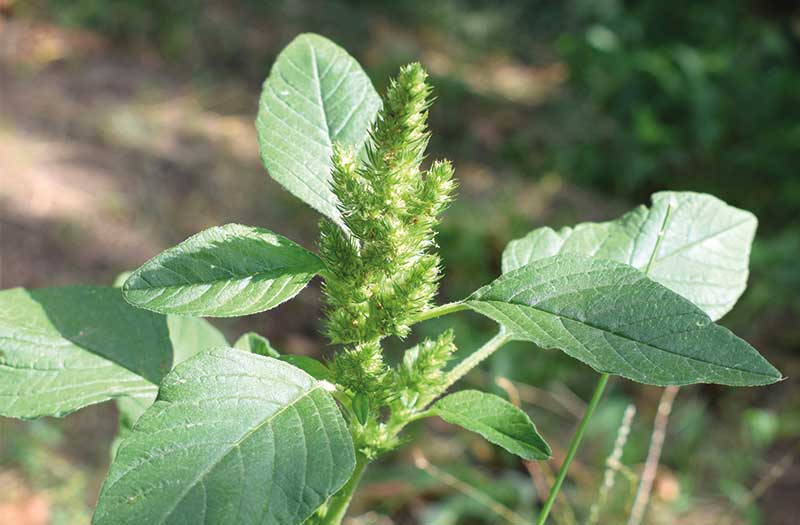
The first report of target-site resistance to glyphosate in smooth pigweed (Amaranthus hybridus (syn: quitensis)) in South Africa was recently made by researchers at the

Magunya Kalimashe,Portfolio Lead:  Herbicides Weed control remains an essential practice in small grain production. The benefits of effective weed control practices have been documented extensively

ACTIVE INGREDIENT

MCPA (iso-octyl ester) 273 g/l (acid equivalent) 175 g ae/l; bromoxynil as the octanoate ester 254.8 g/l (acid equivalent) 175 g ae/l; fluroxypyr 1-methylheptyl ester 100.8 g/l; (acid equivalent) 70 g ae/l

PACKAGING

10 L

REG. NO.

L11291

REGISTRATION DETAILS

Carnivore 420 EC. Reg. No. L 11291 Act No. 36 of 1947. Active Ingredients:  MCPA (iso-octyl ester) 273 g/l. (acid equivalent) 175 g ae/l. bromoxynil as the octanoate ester 254.8 g/l. (acid equivalent) 175 g ae/l. fluroxypyr 1-methylheptyl ester 100.8 g/l. (acid equivalent) 70 g ae/l. DANGER. Hazard Statements: Harmful if swallowed. May be fatal if swallowed and enters airways. May be harmful in contact with skin. Causes mild skin irritation. May cause an allergic skin reaction. Causes serious eye damage. Harmful if inhaled. Suspected of damaging fertility or the unborn
child. Toxic to aquatic life with long lasting effects. Precautionary Statements: Avoid release into the environment. Wear impervious rubber gloves and boots, protective clothing and chemical safety goggles. Registration Holder: WinField Solutions Registration Holdings (Pty) Ltd. Co. Reg. No. 2015/312008/07. P.O. Box 10413, Aston Manor, 1630, South Africa. Tel. (011) 396 2233.

CROPS & TARGET

BarleyWheatBarley - Broadleaf weedsWheat - Broadleaf weeds

Insights

Weather-related events play a major role in the success of farm activities, and weed management is no exception. Weeds remain a huge problem in crop

The first report of target-site resistance to glyphosate in smooth pigweed (Amaranthus hybridus (syn: quitensis)) in South Africa was recently made by researchers at the

Magunya Kalimashe,Portfolio Lead:  Herbicides Weed control remains an essential practice in small grain production. The benefits of effective weed control practices have been documented extensively

By Dr Brian de Villiers January 2022 Many herbicides such as glyphosate, clethodim, some SU’s and various others are affected by salt antagonism from carrier

By Dr Brian de Villiers June 2024 Adjuvants are often omitted or replaced with an unregistered product without any negative consequences. Growers then assume that

By Dr Brian de Villiers March 2026 The word “adjuvant,” means “to help.” These products are therefore used exclusively to help crop protection products (CPPs)

By Dr Brian de Villiers February 2022   Adjuvants are registered with many crop protection products (CPP) and are added to an immense amount of

By Dr Brian de Villiers January 2026 In our interactions with stakeholders we sometimes learn that growers had replaced an adjuvant registered for use with

By Dr Brian de Villiers February 2025 Ammonium sulphate was first applied commercially with glyphosate as a water conditioner about 40 years ago. It’s hard

By Dr Brian de Villiers January 2021 There have been various recent allegations that ammonium sulphate is not effective because it is unable to overcome

By Dr Brian de Villiers December 2020 Over the past few years Villa has tried to encourage the correct use of adjuvants toincrease and stabilize

Deur Brian de Villiers April 2026 Daar is twee noodsaaklike prosesse wat die effektiwiteit van sistemiese gewasbeskermingsprodukte (GBP’e) verseker. Die eerste is bedekking, wat deur

By Dr Brian de Villiers Desember 2024 Ons beklemtoon dikwels die belangrikheid daarvan om genoeg spuitdruppels tot by alle dele van die plant te kry.