A water dispersible granule contact fungicide and bactericide to control the diseases on the crops as listed.


Citrus
  • Fungicide group code M1.
  • KOCIDE® 2000 is a preventative contact fungicide.
  • Copper hydroxide is the most effective source of copper ions for disease control.
  • KOCIDE® 2000 is tenacious and persists on the leaf surface for prolonged protection.
  • High quality copper formulation.
  • 50% reduction in metallic copper applied per hectare.
  • Less likely to give rise to phytotoxicity.
  • KOCIDE® 2000 mixes and handles easily and can be measured out by weight or volume.
  • KOCIDE® 2000 is highly compatible with other chemicals.
  • Do not acidify a spray solution containing KOCIDE® 2000.
  • Use KOCIDE® 2000 in a resistance management programme
    together with other contact and systemic fungicide groups.
  • Always apply as a full cover spray.

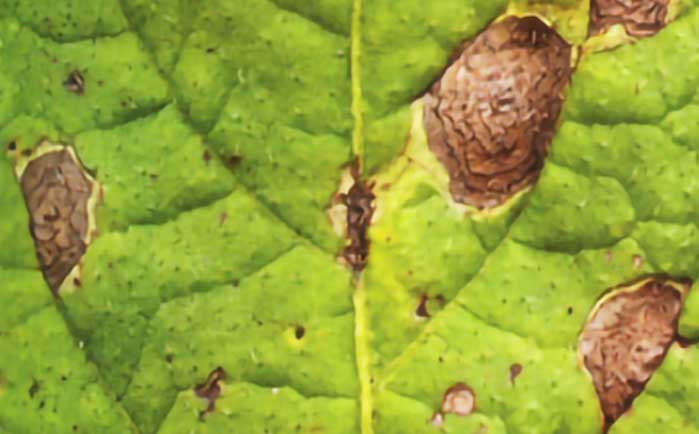
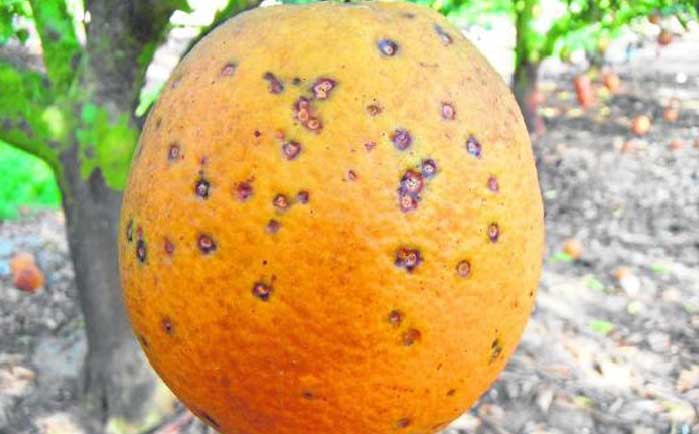
Black spot
Apply 150 g per 100 water to a maximum of 15 kg per hectare.
Apply 4 applications at 30-35 day intervals, starting at 100% petal fall.

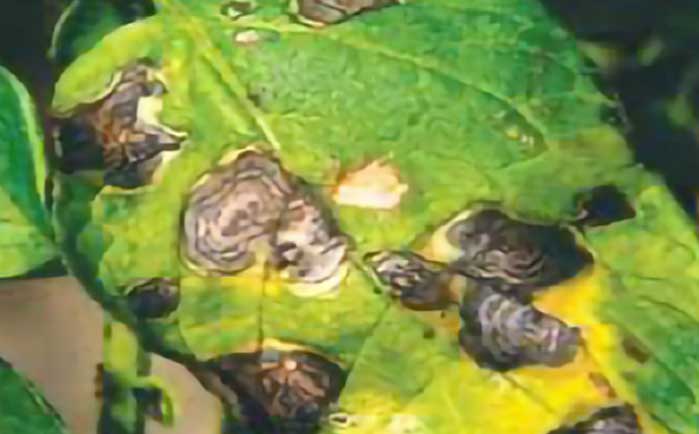
Alternaria spot
Apply 150 g of KOCIDE® 2000 per 100 water to a maximum of 15 kg per hectare OR 75 g of KOCIDE® 2000 and 100 g of MANCOZEB to a maximum of 8.0 kg per hectare.

N/A
Potato
  • KOCIDE® 2000 is a FRAC Group Code M1 Fungicide.
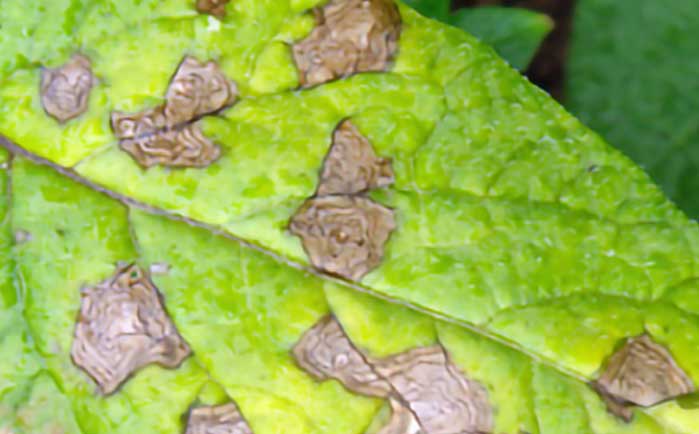
  • KOCIDE® 2000 controls early blight (Alternaria solani) in potatoes.
  • KOCIDE® 2000 is tenacious and persists on the leaf surface for prolonged protection.
  • KOCIDE® 2000 is a preventative contact fungicide.
  • Copper Hydroxide is the most effective source of copper ions for disease control.
  • 50% reduction in metallic copper applied per hectare.
  • KOCIDE® 2000 mixes and handles easily and can be measured out by weight or volume.
  • KOCIDE® 2000 is highly compatible with other chemicals.
  • Less likely to give rise to phytotoxicity.
  • Do not acidify a spray solution containing KOCIDE® 2000.
  • Use KOCIDE® 2000 in a resistance management programme together with other contact and systemic fungicide groups.
  • Spray before or just when the first disease symptoms are noticed.
  • Repeat at 7-10 day intervals and after rain.
  • Depending on plant size use 500-1 500 ℓ spray mixture per hectare.
  • Always apply as a full cover spray.

150g / 100 ℓ water to a maximum of 2,25 kg/ha.

N/A

Insights

No product-specific insights yet, but read related articles below.
Swartvlek, Alternaria, en valskodlingmot – sitrusprodusente het hul hande vol. In hierdie artikel verduidelik Vivian Butler hoe Suid-Afrika se sitrusbedryf die hele jaar deur chemie

ACTIVE INGREDIENT

Copper hydroxide 538 g/kg (copper equivalent 350g/kg)

PACKAGING

10 kg

REG. NO.

L7805

REGISTRATION DETAILS

Mitsui & Co, Europe Plc.
Johannesburg branch.
PO Box 652948, Benmore, 2010.

CROPS & TARGET

AvocadoBeansCitrusCoffeeCruciferaeLettuceMangoNectarinesOlivesPeachesPlumsPotatoesTable GrapesTomatoesWine grapesCole CropsAvocado - Fruit SpotBeans - Bacterial blightBeans - Common BlightBeans - Halo BlightCitrus - Alternaria spp.Citrus - Black spotCoffee - RustCruciferae - Downy mildewCruciferae - Bacterial spotLettuce - Leaf spotLettuce - Septoria lactucaeMango - Bacterial spotNectarines - Bacteria SpotNectarines - Bacterial CankerNectarines - Gum SpotNectarines - Leaf CurlOlives - AnthracnoseOlives - Leaf spotPeaches - Bacterial cankerPeaches - Bacterial spotPeaches - Gum spotPeaches - Leaf curlPlums - Bacterial spotPotatoes - Early blightTable Grapes - Downy mildewTomatoes - Bacterial SpeckBacterial spotTomatoes - Early blightWine grapes - Downy mildewCole Crops - Bacterial spotCole Crops - Downy Mildew

Insights

Swartvlek, Alternaria, en valskodlingmot – sitrusprodusente het hul hande vol. In hierdie artikel verduidelik Vivian Butler hoe Suid-Afrika se sitrusbedryf die hele jaar deur chemie
Addressing hard water is not enough

By Dr Brian de Villiers Many herbicides such as glyphosate, clethodim, some SU’s and various others are affected by salt antagonism from carrier water. If

Adjuvants become more important under marginal conditions

By Dr Brian de Villiers Adjuvants are often omitted or replaced with an unregistered product without any negative consequences. Growers then assume that adjuvants are

Adjuvants should help, not harm

By Dr Brian de Villiers The word “adjuvant,” means “to help.” These products are therefore used exclusively to help crop protection products (CPPs) reach their

Adjuvants: Are they an integral component of spray mixtures or just snake oils?

By Dr Brian de Villiers Adjuvants are registered with many crop protection products (CPP) and are added to an immense amount of spray mixtures. Are

Adverse conditions are the true test for adjuvants

By Dr Brian de Villiers In our interactions with stakeholders we sometimes learn that growers had replaced an adjuvant registered for use with a particular

Ammonium sulphate

By Dr Brian de Villiers Ammonium sulphate was first applied commercially with glyphosate as a water conditioner about 40 years ago. It’s hard to believe

Ammonium sulphate and magnesium antagonism

By Dr Brian de Villiers There have been various recent allegations that ammonium sulphate is not effective because it is unable to overcome magnesium antagonism

Are there really differences between adjuvants?

By Dr Brian de Villiers Over the past few years Villa has tried to encourage the correct use of adjuvants toincrease and stabilize the efficacy

Bedekking en opname

Deur Brian de Villiers Daar is twee noodsaaklike prosesse wat die effektiwiteit van sistemiese gewasbeskermingsprodukte (GBP’e) verseker. Die eerste is bedekking, wat deur behoud en

Behoud is belangrik op alle plantgroottes en oppervlaktes

By Dr Brian de Villiers Desember 2024 Ons beklemtoon dikwels die belangrikheid daarvan om genoeg spuitdruppels tot by alle dele van die plant te kry.