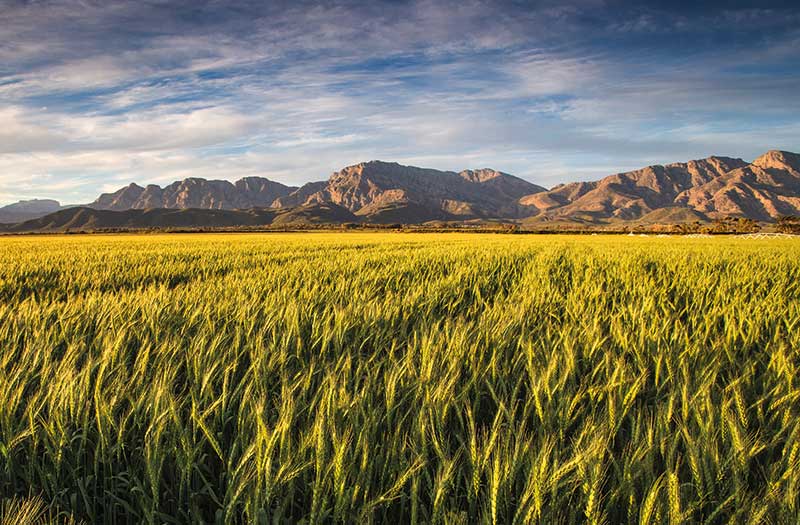
RAMETREX 410 EC is a selective emulsifiable concentrate herbicide for the post-emergence control of annual broad-leaved weeds as listed in wheat & barley.

Cereals
  • RAMETREX 410 EC is an HRAC group code 6 and group 4 Herbicide.
  • RAMETREX 410 EC is a unique combination of 3 active ingredients with two different modes of action.
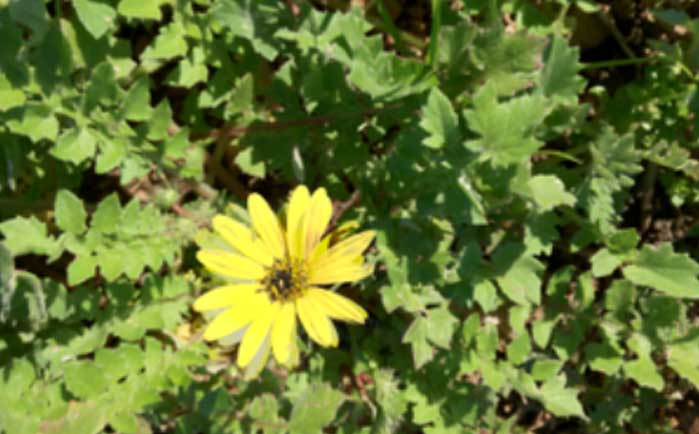
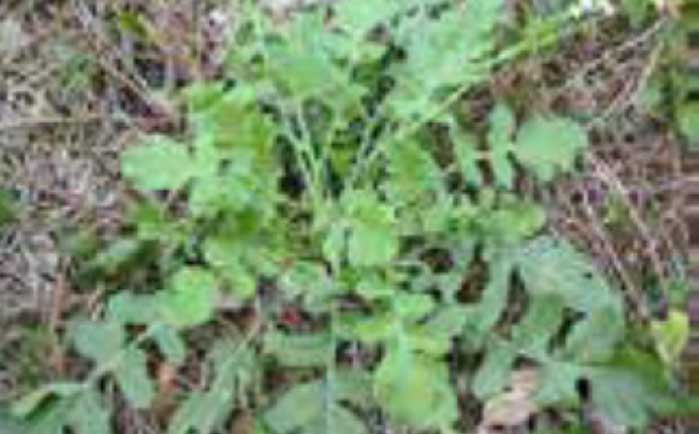
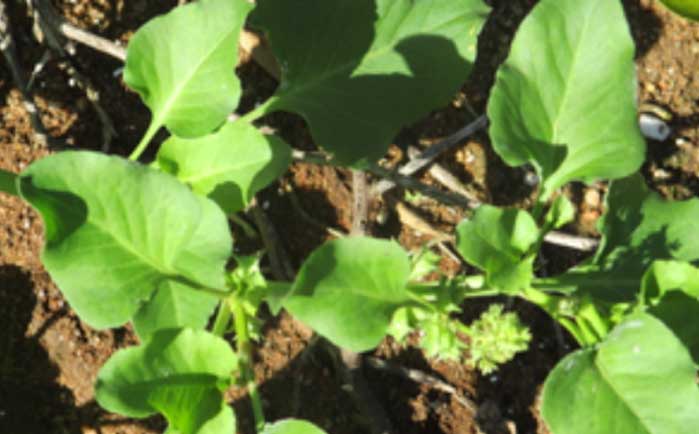
  • RAMETREX 410 EC was developed as a specialist herbicide for controlling SU resistant wild radish (Raphanus raphanistrum) and spiney emex (Emex australis).
  • Multiple modes of action:
    •  Gives the product superior efficacy against a wide spectrum of broadleaf weeds.
    • Provides an opportunity to address difficult to control weeds with a single product.
    • Makes RAMETREX 410 EC an ideal candidate for use in IPM strategies aimed at combatting the development of resistance.
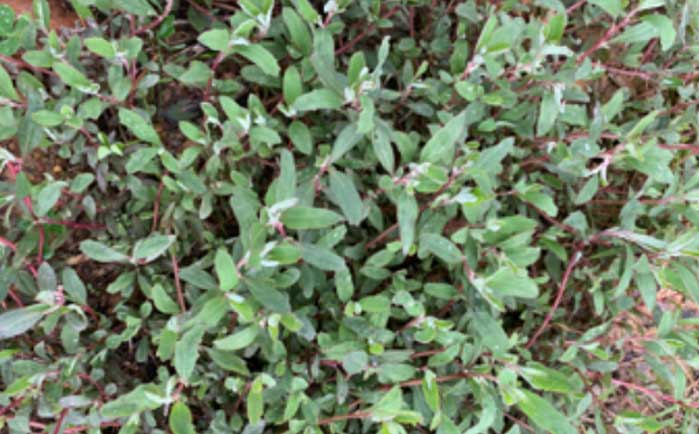
  • Apply RAMETREX 410 EC in the cotyledon to 3- leaf stage to effectively control wild radish, spiney emex, fumitory, prostrate knotweed and field speedwell.
  • Do not apply later than the 6- leaf stage for the other listed weeds.
  • Avoid application when weeds are covered with heavy dew.
  • For effective weed control ensure thorough coverage of weeds. (Crop canopy could result in shielding of weeds from spray with poor control of low growing weeds such as spiney emex).
  • Do not apply RAMETREX 410 EC by aerial application.
  • Do not apply when rain is expected within the following 12 hours.
  • Irrigation should be withheld for 48 hours after a RAMETREX 410 EC application.
  • Apply during favorable growing conditions.
  • Poor weed control may result if RAMETREX 410 EC is applied when weeds are stressed.

Wheat and Barley:
1.4 ℓ/ha

N/A

Insights

No product-specific insights yet, but read related articles below.

Weather-related events play a major role in the success of farm activities, and weed management is no exception. Weeds remain a huge problem in crop

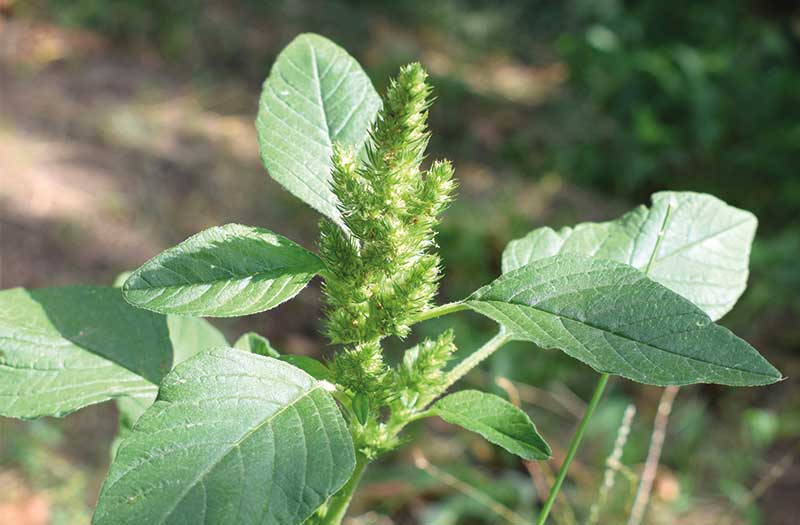
The first report of target-site resistance to glyphosate in smooth pigweed (Amaranthus hybridus (syn: quitensis)) in South Africa was recently made by researchers at the

Magunya Kalimashe,Portfolio Lead:  Herbicides Weed control remains an essential practice in small grain production. The benefits of effective weed control practices have been documented extensively

ACTIVE INGREDIENT

Bromoxynil (octanoate ester) 100 g/ℓ, dicamba (sodium salt) 30 g ae/ℓ & MCPA (iso-octyl ester) 280 g/ℓ

PACKAGING

20 L

REG. NO.

L 10080

REGISTRATION DETAILS

RAMETREX 410 EC. Reg. No. L 10080 Act No. 36 of 1947. Active Ingredients: bromoxynil as the octanoate ester 145.5 g/l. (acid equivalent) 100 g ae/l. dicamba as the sodium salt 33 g/l. (acid equivalent) 30 g ae/l. MCPA as the iso-octyl ester 436.6 g/l. (acid equivalent) 280 g ae/l. WARNING. Hazard Statements: Combustible liquid. Harmful if swallowed. May be harmful if swallowed and enters airways. May be harmful in contact with skin. Causes mild skin irritation. May cause an allergic skin reaction. Causes eye irritation. May be harmful if inhaled. May cause respiratory irritation. May cause drowsiness or dizziness. Suspected of causing cancer. Suspected of damaging the unborn child. May cause damage to organs (central nervous system) through
prolonged or repeated exposure. Very toxic to aquatic life with long lasting effects. Precautionary Statements: Obtain, read and follow all safety instructions before use. Wear impervious rubber gloves and chemical safety goggles. Registration holder:
Villa Crop Protection (Pty) Ltd. Reg. No. 1992/002474/07. 65 Botes Road, Glen Marais, Kempton Park, 1619. Tel. (011) 396-2233.

CROPS & TARGET

BarleyWheatBarley - Broadleaf weedsWheat - Broadleaf weeds

Insights

Weather-related events play a major role in the success of farm activities, and weed management is no exception. Weeds remain a huge problem in crop

The first report of target-site resistance to glyphosate in smooth pigweed (Amaranthus hybridus (syn: quitensis)) in South Africa was recently made by researchers at the

Magunya Kalimashe,Portfolio Lead:  Herbicides Weed control remains an essential practice in small grain production. The benefits of effective weed control practices have been documented extensively

Addressing hard water is not enough

By Dr Brian de Villiers Many herbicides such as glyphosate, clethodim, some SU’s and various others are affected by salt antagonism from carrier water. If

Adjuvants become more important under marginal conditions

By Dr Brian de Villiers Adjuvants are often omitted or replaced with an unregistered product without any negative consequences. Growers then assume that adjuvants are

Adjuvants should help, not harm

By Dr Brian de Villiers The word “adjuvant,” means “to help.” These products are therefore used exclusively to help crop protection products (CPPs) reach their

Adjuvants: Are they an integral component of spray mixtures or just snake oils?

By Dr Brian de Villiers Adjuvants are registered with many crop protection products (CPP) and are added to an immense amount of spray mixtures. Are

Adverse conditions are the true test for adjuvants

By Dr Brian de Villiers In our interactions with stakeholders we sometimes learn that growers had replaced an adjuvant registered for use with a particular

Ammonium sulphate

By Dr Brian de Villiers Ammonium sulphate was first applied commercially with glyphosate as a water conditioner about 40 years ago. It’s hard to believe

Ammonium sulphate and magnesium antagonism

By Dr Brian de Villiers There have been various recent allegations that ammonium sulphate is not effective because it is unable to overcome magnesium antagonism

Are there really differences between adjuvants?

By Dr Brian de Villiers Over the past few years Villa has tried to encourage the correct use of adjuvants toincrease and stabilize the efficacy

Bedekking en opname

Deur Brian de Villiers Daar is twee noodsaaklike prosesse wat die effektiwiteit van sistemiese gewasbeskermingsprodukte (GBP’e) verseker. Die eerste is bedekking, wat deur behoud en

Behoud is belangrik op alle plantgroottes en oppervlaktes

By Dr Brian de Villiers Desember 2024 Ons beklemtoon dikwels die belangrikheid daarvan om genoeg spuitdruppels tot by alle dele van die plant te kry.